 Caroline Blanca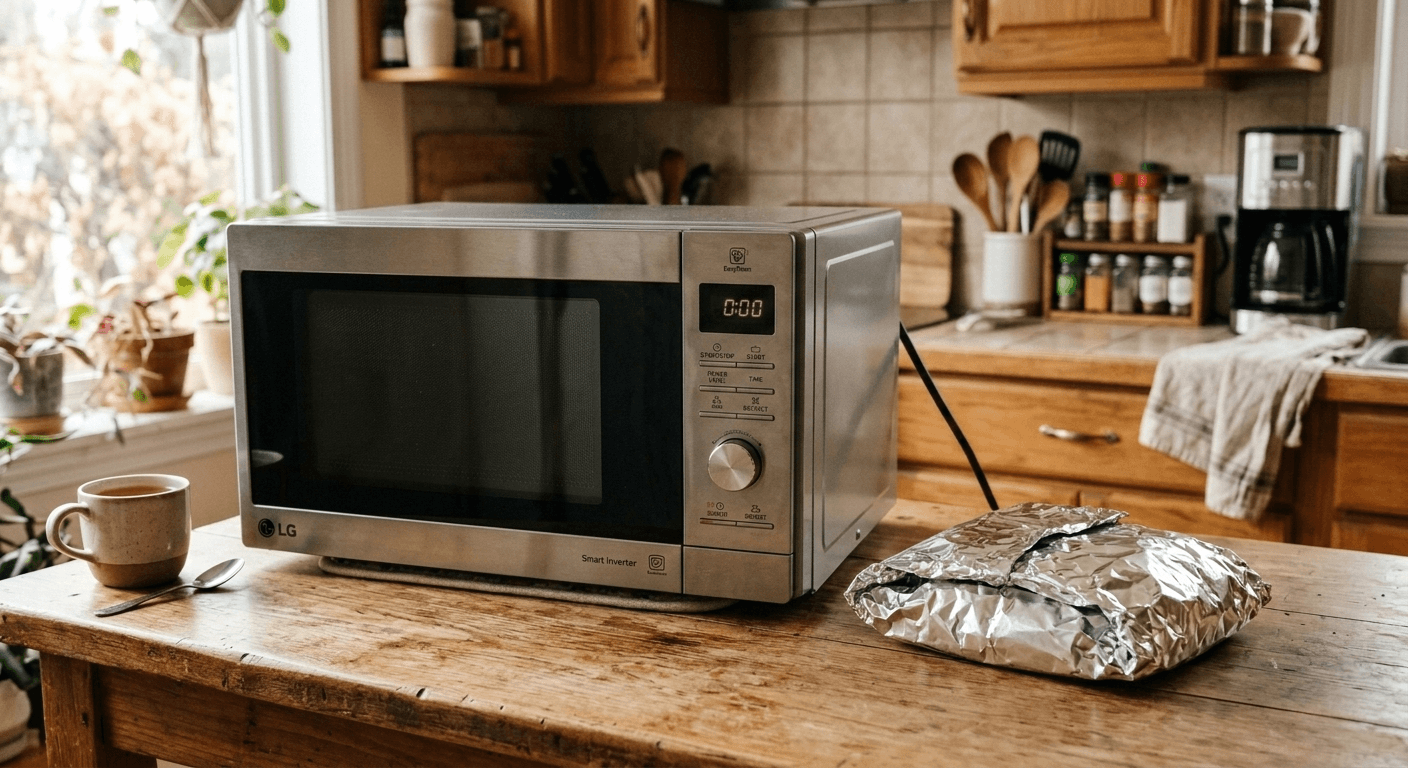
Aluminum foil in the microwave is one of those kitchen questions that makes everyone pause. You’ve probably heard it’s dangerous — but is it always? The short answer is: it depends. There are situations where small amounts of foil are actually okay, and situations where it can cause real damage or even start a fire. Here’s everything you need to know.
Quick Answer: Generally, no — you should not put aluminum foil in the microwave. It can cause sparking, arcing, and in worst cases, a fire. The risks almost always outweigh the benefit, so it’s best to avoid it entirely.
Why Aluminum Foil Is Dangerous in a Microwave
Microwaves work by emitting electromagnetic waves that cause water molecules in food to vibrate rapidly, generating heat. Metals — including aluminum foil — reflect those waves instead of absorbing them.
When microwaves hit a metal surface, the reflected energy becomes concentrated at sharp edges or crinkled areas. That’s when you see sparks — a process called arcing.
Arcing can:
- Damage the magnetron (the part that generates microwaves) — an expensive repair
- Leave permanent burn marks on the interior walls
- Ignite the foil or nearby food packaging and start a fire
- Void your microwave’s warranty immediately
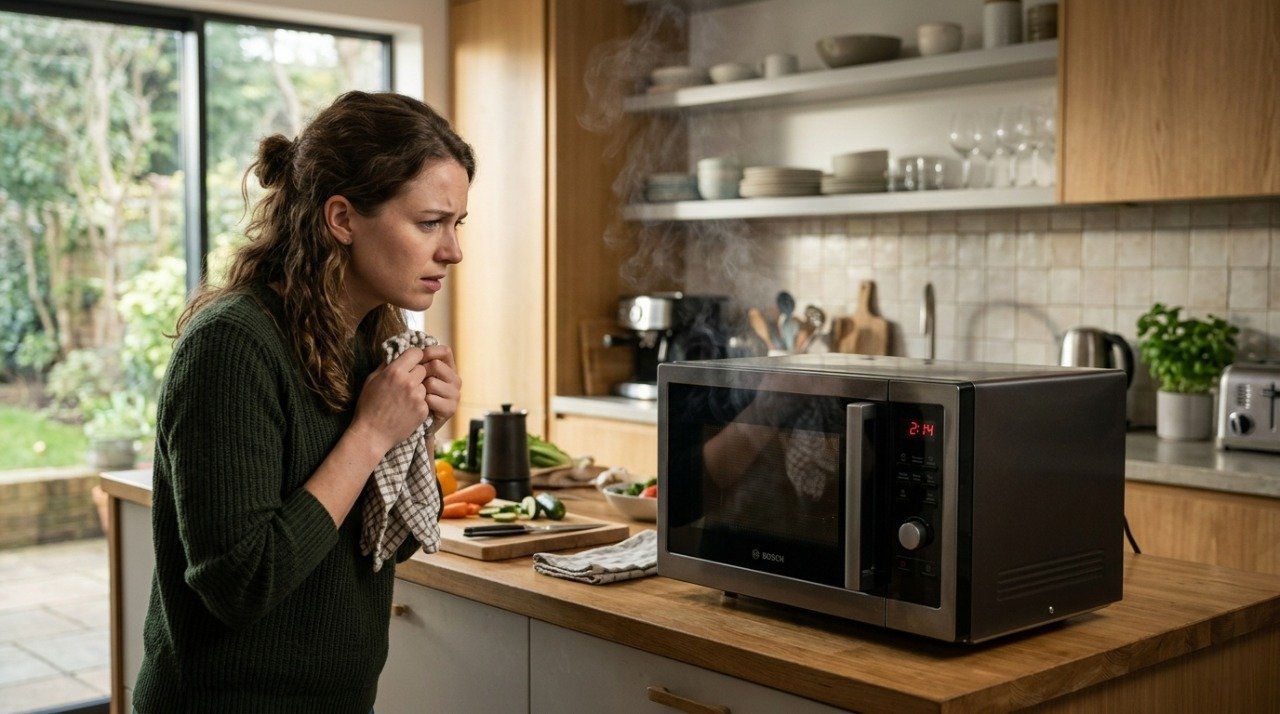
⚠️ Warning: If you ever see sparking inside your microwave, stop it immediately. Do not open the door until the sparking stops. If it continues or you smell burning, unplug the appliance.
When Does the FDA Say Foil Is Acceptable?
The U.S. Food and Drug Administration acknowledges that small, smooth, flat pieces of aluminum foil can sometimes be used — but only if:
- It covers no more than a quarter of the food’s surface
- It is completely smooth and flat — not crinkled or folded
- It does not touch the microwave walls at any point
- You are using it only to shield a part of food from overcooking
Even then, most manufacturers including LG advise against using any foil at all.
What Happens If You Use Foil in an LG Microwave?
LG explicitly warns against aluminum foil in all their microwave manuals. Any arcing damage caused by foil is not covered under LG’s warranty — they classify it as user misuse.
A magnetron replacement typically costs $100–$200, sometimes more than the microwave itself is worth.
🔗 Related: How to Fix LG Microwave Not Heating
Safe Alternatives to Aluminum Foil
Whatever you’re trying to do with foil, there’s a safer option:
| Goal | Use This Instead |
|---|---|
| Cover food to keep moisture | Microwave-safe plastic wrap or damp paper towel |
| Stop splattering | Microwave-safe lid or splatter guard |
| Shield part of food | Small piece of parchment paper |
| Heat food more evenly | Lower power level to 50–70%, longer cook time |
| Get crispy results | Use a crisper tray or finish in an air fryer |
Other Metals to Never Put in the Microwave
- Stainless steel bowls or cups
- Forks, spoons, and knives
- Plates with gold or silver metallic trim
- Twist ties from bread bags
- Travel mugs with metal interiors
💡 Quick Rule: If it’s metal or has any metallic coating, it doesn’t go in the microwave. When in doubt, transfer to a glass or ceramic container first.
What IS Safe to Put in the Microwave?
| Material | Safe? | Notes |
|---|---|---|
| Glass (no metallic trim) | ✅ Yes | Best option overall |
| Ceramic (no metallic glaze) | ✅ Yes | Check base for “Microwave Safe” label |
| Paper towels and parchment | ✅ Yes | Great for covering food |
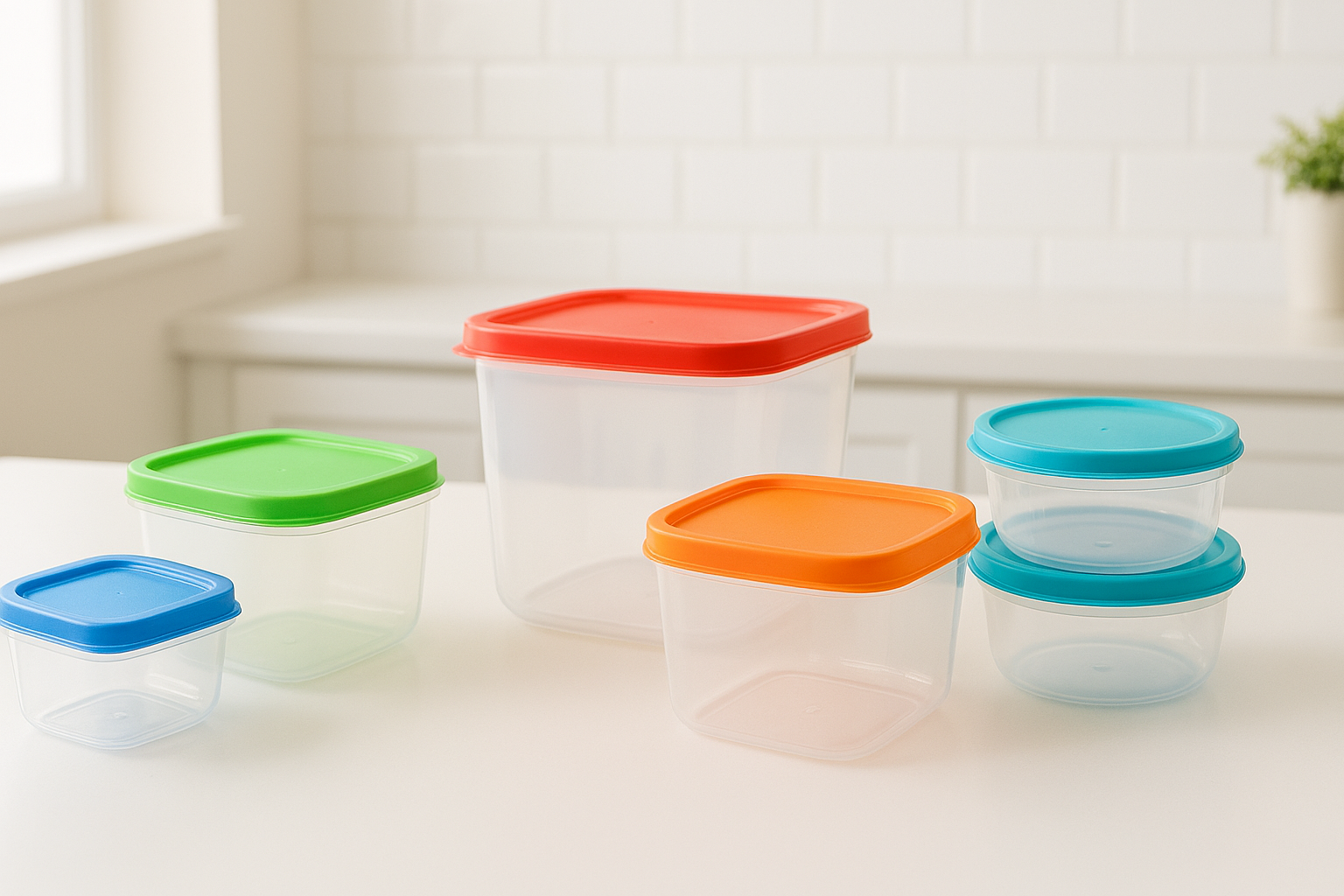
| Plastic labelled “Microwave Safe” | ⚠️ Caution | Only if explicitly labelled |
| Styrofoam | ⚠️ Caution | Only if labelled safe; most are not |
| Aluminum foil | ❌ Avoid | Risk of arcing, fire, and warranty damage |
| Metal containers or cutlery | ❌ Never | Immediate sparking risk |
Not sure whether your specific plastic container is safe? Read our full guide on microwaving plastic containers safely — it covers every plastic type and what the recycling numbers actually mean.
The Bottom Line
Aluminum foil and microwaves don’t mix in almost any situation. The risk of sparking and permanent damage is real. Stick to glass or ceramic containers and you’ll never have to worry about it.
If you’ve already used foil and your microwave is now acting up, check these guides:
🔗 How to Fix LG Microwave Not Heating
🔗 How to Reset My LG Microwave