 Caroline Blanca
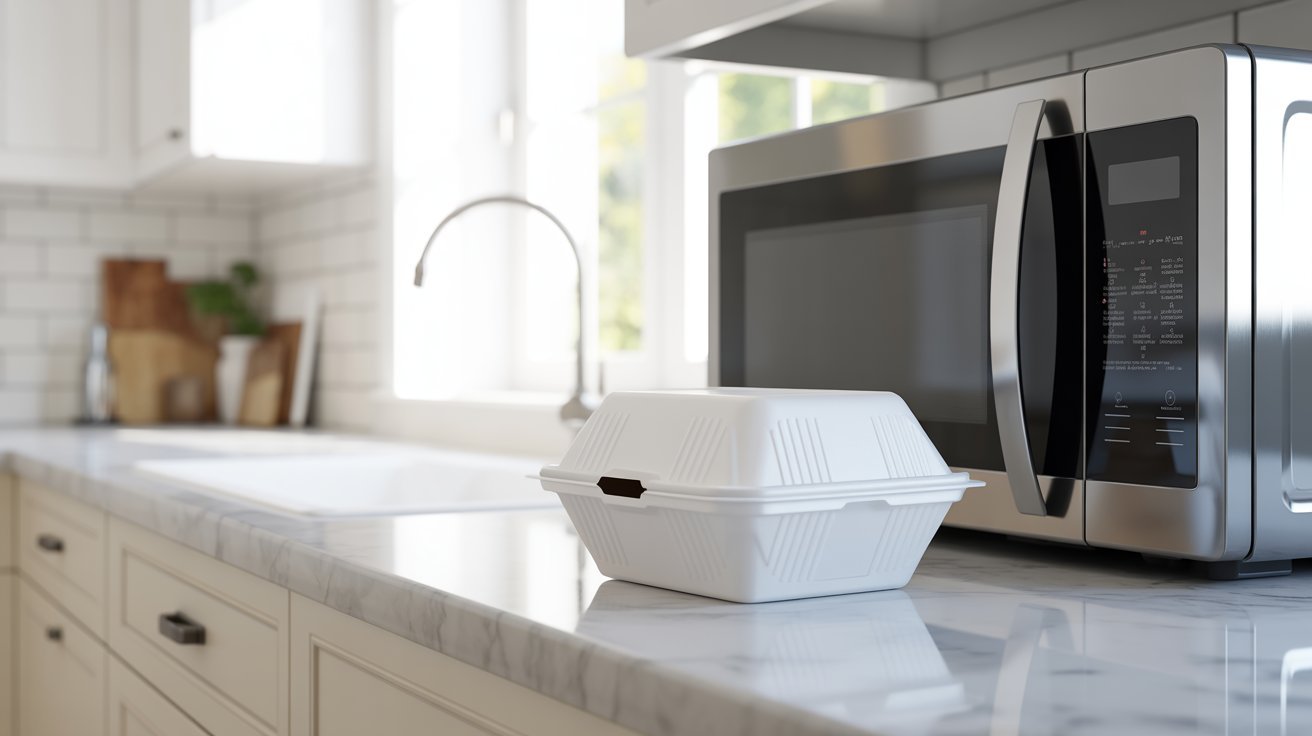
You have just pulled last night’s leftovers from the fridge, still in the plastic takeaway container, and you are about to put it straight in the microwave. Before you press start, it is worth taking ten seconds to check whether that container is actually safe — because not all plastics behave the same way under microwave heat, and some release chemicals directly into your food.
Here is exactly what you need to know about microwaving plastic containers safely.
Quick Answer
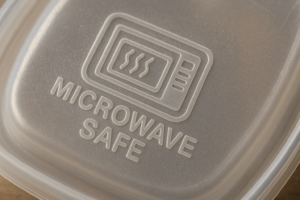
Some plastic containers are microwave safe and some are not. The only reliable way to tell is to check the bottom of the container for a microwave safe symbol or the words “Microwave Safe” printed on the base. If there is no label, do not microwave it. Transfer your food to a glass or ceramic container instead — it takes less than a minute and eliminates all risk.
Why Plastic and Microwaves Are a Complicated Combination
Microwaves heat food by exciting water molecules inside it. However, when plastic is exposed to that heat — particularly at high temperatures or over long cooking periods — the material can begin to break down. As a result, chemical compounds from the plastic leach directly into the food sitting inside it.
The two compounds most commonly flagged by researchers are BPA (bisphenol A) and phthalates, both of which are used in the manufacture of many common plastics. Furthermore, both have been linked to hormonal disruption in studies, which is why health organisations including the FDA have placed specific restrictions on their use in food contact materials.
The good news is that microwave safe plastics are specifically engineered to withstand heat without leaching these compounds at dangerous levels. The problem is that single-use takeaway containers, thin plastic wraps, and most food packaging are not manufactured to that standard.
How to Tell If a Plastic Container Is Microwave Safe
Before placing any plastic container in your LG microwave, flip it upside down and check the base. Here is exactly what to look for:
Look for the microwave safe symbol
This is usually a microwave icon — a box with wavy lines inside it representing heat waves. Some containers show the symbol with the words “Microwave Safe” printed alongside it. If you see either of these, the container has been tested and approved for microwave use.
Check the recycling number
Most plastic containers carry a recycling number inside a triangle on the base. These numbers tell you what type of plastic the container is made from, which gives you a useful guide to its microwave safety:
| Recycling Number | Plastic Type | Microwave Safe? |
|---|---|---|
| 1 — PETE | Polyethylene terephthalate | ❌ No — single use only |
| 2 — HDPE | High density polyethylene | ⚠️ Only if labelled safe |
| 3 — PVC | Polyvinyl chloride | ❌ No — avoid entirely |
| 4 — LDPE | Low density polyethylene | ⚠️ Only if labelled safe |
| 5 — PP | Polypropylene | ✅ Generally safe — check label |
| 6 — PS | Polystyrene (styrofoam) | ❌ No — avoid entirely |
| 7 — Other | Mixed or other plastics | ❌ Avoid unless explicitly labelled |
💡 Tip: Number 5 polypropylene — marked PP on the base — is the most commonly used plastic in microwave safe containers. Tupperware, most meal prep boxes, and many supermarket food storage containers are made from PP. That said, always confirm the microwave safe label is present even on PP containers before microwaving.
Plastics You Should Never Put in the Microwave
Regardless of whether a container looks sturdy or feels heat resistant, certain types of plastic should never go in a microwave under any circumstances. In our experience, these are the most commonly misused containers:
- Single-use takeaway containers — these are designed for one-time use at room temperature, not for reheating. They warp, melt, and leach chemicals rapidly under microwave heat
- Plastic bags and cling film — unless explicitly labelled microwave safe, these melt onto food and release plasticisers directly into it
- Styrofoam cups and containers — polystyrene breaks down quickly under heat. For more detail on this, read our guide on whether styrofoam is safe in the microwave
- Margarine tubs and yogurt pots — these are made from thin, single-use grade plastic that is not designed for heat exposure
- Plastic water bottles — even BPA-free bottles are not designed for microwave use and can warp or leach chemicals when heated
⚠️ Important: A plastic container that survived a previous microwave session is not automatically safe for the next one. Heat exposure is cumulative — repeated microwaving degrades plastic faster than a single session. If a container has warped, discoloured, or developed an unusual smell, stop using it for food immediately.
What About Plastic Wrap and Cling Film?
Plastic wrap is one of the most confusing cases. Some brands of cling film are specifically manufactured and labelled as microwave safe — these can be used to cover food during reheating. However, even microwave safe cling film should never touch the food directly. Furthermore, it should always be vented by leaving one corner loose — sealed cling film can trap steam and burst suddenly, which is both messy and dangerous.
Standard supermarket cling film with no microwave safe label should not be used in the microwave at all. As a safer alternative, a damp paper towel placed loosely over the food achieves the same steam-trapping effect without any chemical risk.
Safe Alternatives to Plastic Containers in the Microwave
Switching to microwave safe alternatives is the simplest way to eliminate the guesswork entirely. In our experience, keeping two or three glass containers with lids in the kitchen makes reheating consistently safer and easier.
| Container | Microwave Safe? | Notes |
|---|---|---|
| Glass containers with lids | ✅ Yes | Best option — no chemical risk, easy to clean |
| Ceramic bowls and plates | ✅ Yes | Check for no metallic glaze or gold trim |
| Paper plates and towels | ✅ Yes | Good for short reheating sessions only |
| Plastic labelled Microwave Safe | ✅ Yes | Only when explicitly labelled — check every time |
| Single-use takeaway containers | ❌ No | Warp and leach chemicals — never microwave |
| Aluminium foil containers | ❌ No | Causes sparking — never microwave. See our aluminum foil guide |
| Styrofoam containers | ❌ No | Melts and leaches chemicals — see our styrofoam guide |
What to Do If You Already Microwaved a Non-Safe Plastic Container
If you have already reheated food in an unlabelled or non-safe plastic container, a single incident is very unlikely to cause serious harm. However, there are a few steps worth taking immediately.
- If the container visibly warped, melted, or the food has an unusual plastic smell — discard the food and do not eat it
- If the container held its shape and the food looks and smells normal, the chemical exposure was likely minimal
- Clean the interior of your LG microwave thoroughly with a damp cloth to remove any residue from the container
- If the microwave is now behaving strangely after the incident — not heating properly or displaying errors — read our guide on how to fix an LG microwave that is not heating
The Bottom Line
The simple rule with plastic containers in the microwave is this — if there is no microwave safe label on the base, do not use it. Transfer the food to a glass or ceramic container instead. It takes under a minute and eliminates every concern about chemical leaching, warping, or contamination.
Furthermore, even with labelled microwave safe containers, avoid microwaving fatty or oily foods at very high power levels for extended periods — fat draws more heat than water and pushes plastic harder than standard reheating does. Stick to 70% power for fatty foods and you reduce the stress on the container significantly.
For more on what is and is not safe to put in your microwave, browse our full how-to guide library at lgmicrowaves.com.
Was this guide helpful?
Browse our full library of microwave how-to guides and buying advice at Legit Gadgets.