 Caroline Blanca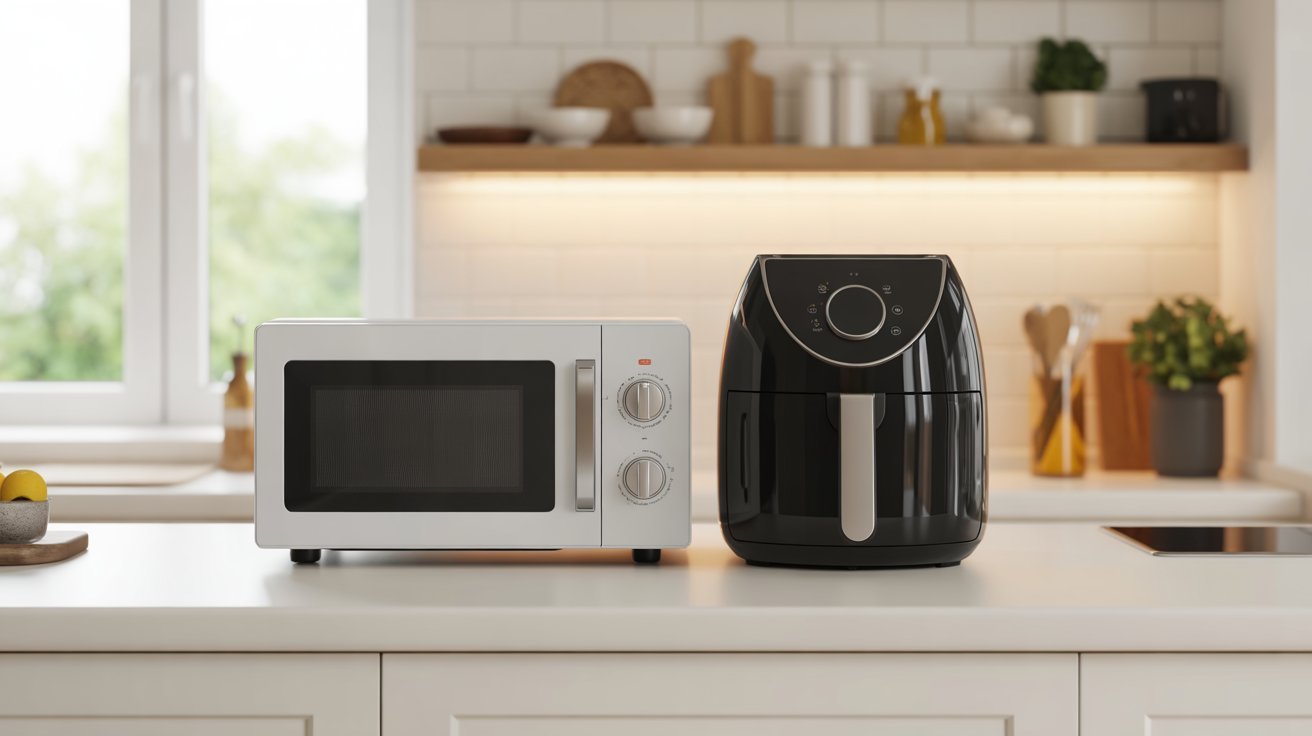
You’re standing in the kitchen appliance aisle — or scrolling through Amazon at midnight — trying to decide between a microwave and an air fryer. Both are popular, both save time, and both claim to make cooking easier. However, they do completely different things, and buying the wrong one for your lifestyle is a mistake that will cost you counter space and money.
We have used both extensively in our kitchen tests at Legit Gadgets. Here is our honest breakdown to help you decide.
Quick Answer
A microwave is faster for reheating and defrosting but cannot make food crispy. An air fryer is slower but produces results closer to oven cooking — crispy on the outside, tender on the inside. If you can only buy one, choose based on how you cook most often. If you reheat leftovers daily, get a microwave. If you cook fresh food regularly, get an air fryer. If you want both, a microwave air fryer combo is worth considering.
What Is a Microwave and What Does It Do Best?
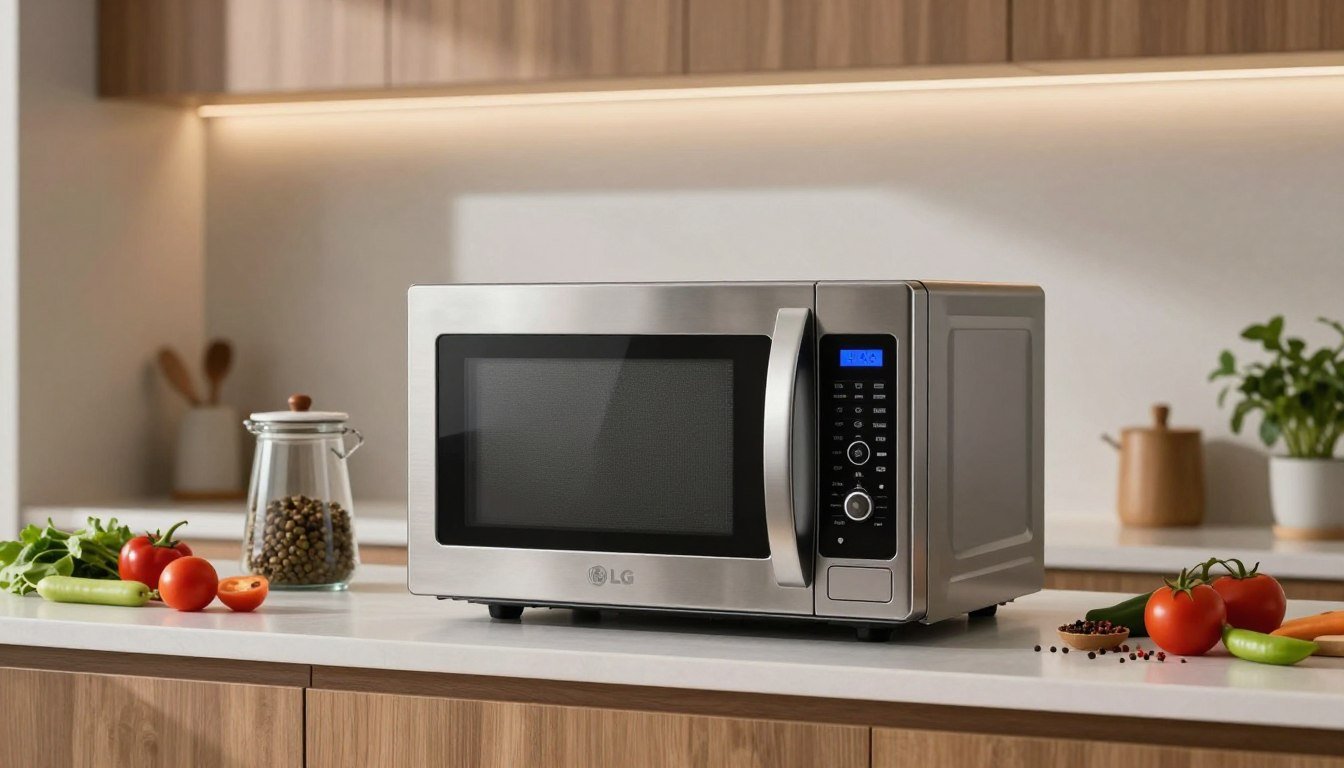
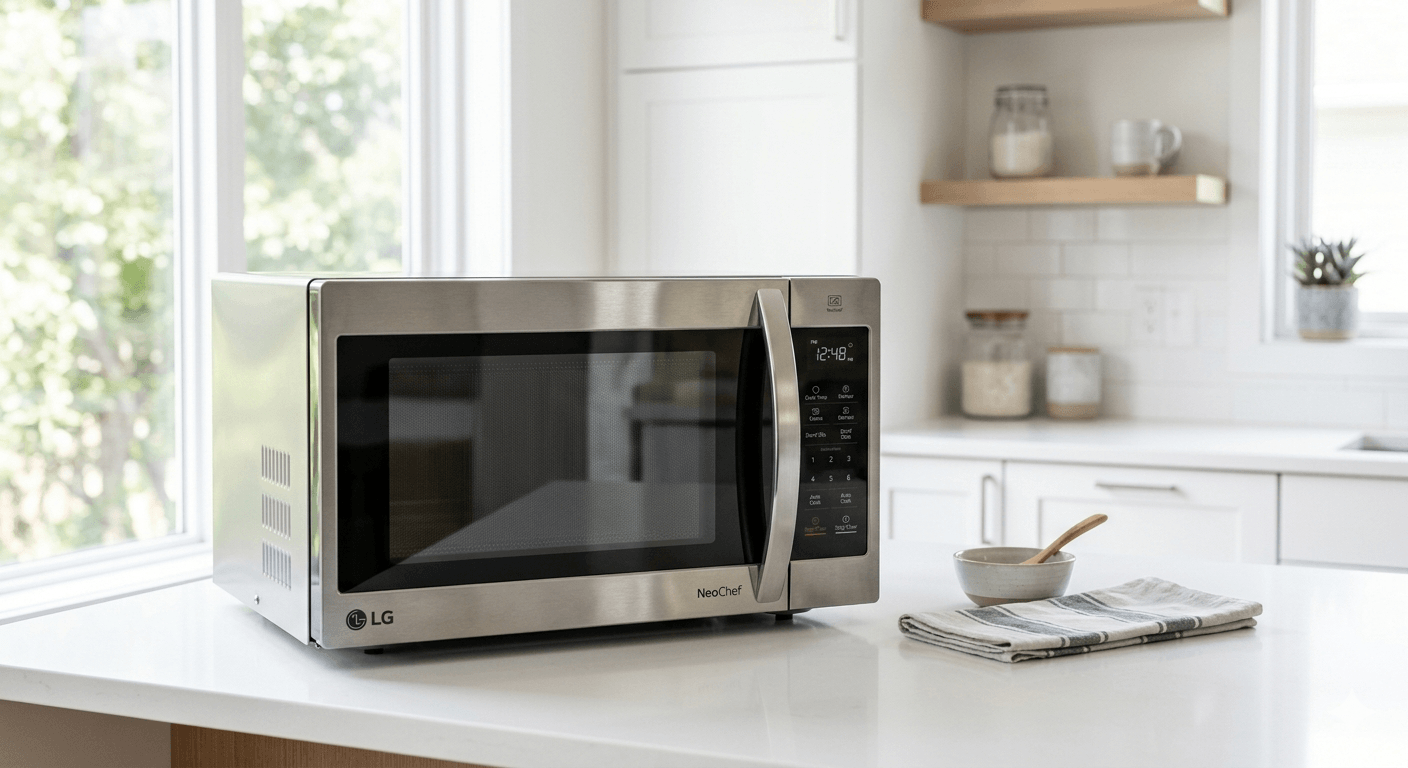
A microwave uses electromagnetic waves to heat water molecules inside food, which warms the food from within very rapidly. As a result, it is the fastest kitchen appliance for reheating leftovers, defrosting frozen food, boiling water, and cooking simple meals like rice or vegetables.
What a microwave cannot do, however, is make food crispy. Because it heats by exciting moisture, the surface of food stays soft and sometimes rubbery. That is why reheated pizza in a microwave goes soggy — and why fried chicken reheated in a microwave loses its crunch completely.
Microwaves are best for:
- Reheating leftovers quickly — typically 1 to 3 minutes
- Defrosting frozen meat, fish, and vegetables
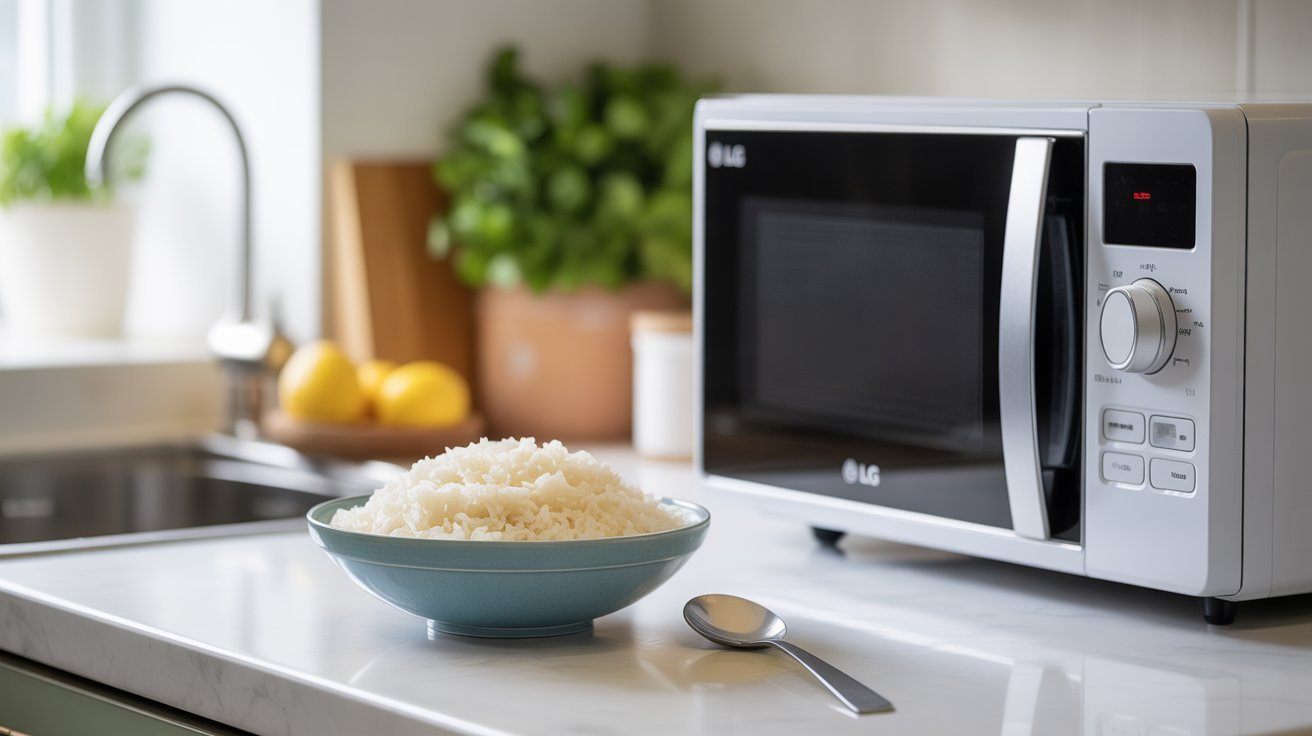
- Boiling water, steaming vegetables, and cooking rice
- Melting butter or chocolate
- Warming drinks and soups
What Is an Air Fryer and What Does It Do Best?
An air fryer is essentially a compact convection oven. It uses a powerful heating element and a high-speed fan to circulate hot air around food at high temperatures — typically between 160°C and 220°C. Consequently, the surface of food becomes crispy and browned, similar to deep frying or oven roasting but with significantly less oil.
The tradeoff is time. An air fryer takes longer than a microwave for almost every task. Where a microwave reheats a plate of food in 2 minutes, an air fryer takes 5 to 8 minutes to do the same — but the result is noticeably better in texture and taste.
Air fryers are best for:
- Cooking fresh or frozen chips, nuggets, and breaded foods
- Roasting vegetables, chicken thighs, and small cuts of meat
- Reheating pizza, pastries, and anything you want to stay crispy
- Baking small items like muffins or cookies
- Reducing oil usage compared to deep frying
Head to Head Comparison
| Feature | Microwave | Air Fryer |
|---|---|---|
| Speed | ✅ Very fast — 1 to 3 mins | ⚠️ Slower — 5 to 25 mins |
| Crispiness | ❌ Cannot make food crispy | ✅ Excellent crispy results |
| Reheating | ✅ Best for quick reheating | ✅ Better texture when reheating |
| Defrosting | ✅ Fast and effective | ⚠️ Possible but slow |
| Cooking fresh food | ⚠️ Limited options | ✅ Wide range of cooking |
| Energy use | ✅ Very energy efficient | ✅ More efficient than an oven |
| Counter space | ⚠️ Moderate footprint | ⚠️ Compact but bulky height |
| Price range | $50 to $400+ | $40 to $300+ |
| Best for | Speed and convenience | Texture and fresh cooking |

Which One Is Better for Reheating?
This depends entirely on what you are reheating. In our testing, the microwave wins on speed every time — a plate of rice and stew reheated in under 3 minutes is genuinely hard to beat for convenience. However, the air fryer wins on quality for anything that should be crispy.
Reheating pizza is the clearest example. In a microwave, reheated pizza goes soft and sometimes rubbery within seconds of sitting on the plate. In an air fryer at 180°C for 4 minutes, the crust comes out almost as crispy as when it was fresh. The difference is significant enough that many people who own both appliances use the microwave for soups and stews and the air fryer specifically for reheated pizza, chips, and pastries.
💡 Tip: For the best of both worlds when reheating, use the microwave first to warm the food through quickly, then transfer to the air fryer for 3 to 4 minutes to restore crispiness. This is faster than using the air fryer alone and produces better results than the microwave alone.
Which One Uses Less Energy?
Both appliances are significantly more energy efficient than a conventional oven. That said, microwaves win on energy consumption for short tasks because they work so quickly. A microwave reheating food for 2 minutes uses considerably less electricity than an air fryer running for 8 minutes to achieve the same result.
For longer cooking tasks however — roasting a chicken or cooking a batch of chips — the air fryer is more efficient than a conventional oven by a wide margin, typically using 30 to 40% less energy for the same cook.
Can an Air Fryer Replace a Microwave?
Technically yes, but practically no. An air fryer can reheat food, cook from fresh, and even defrost in a pinch. However, it cannot match the speed of a microwave for quick reheating and defrosting tasks. Furthermore, heating a cup of water or melting butter in an air fryer is awkward and inefficient compared to 30 seconds in a microwave.
In most households, the microwave handles the quick daily tasks — warming a drink, defrosting tonight’s dinner, reheating lunch — while the air fryer handles proper cooking. They complement each other rather than replace each other.
Can a Microwave Replace an Air Fryer?
No — not in any meaningful way. A standard microwave simply cannot produce crispy food. Some microwaves include a grill or convection function which gets closer to air fryer results, but even these fall short of a dedicated air fryer for crispiness and browning. On the other hand, a microwave air fryer combo unit — like the Ambiano 25L we reviewed — bridges this gap reasonably well at a budget price point.
Should You Get a Microwave Air Fryer Combo Instead?
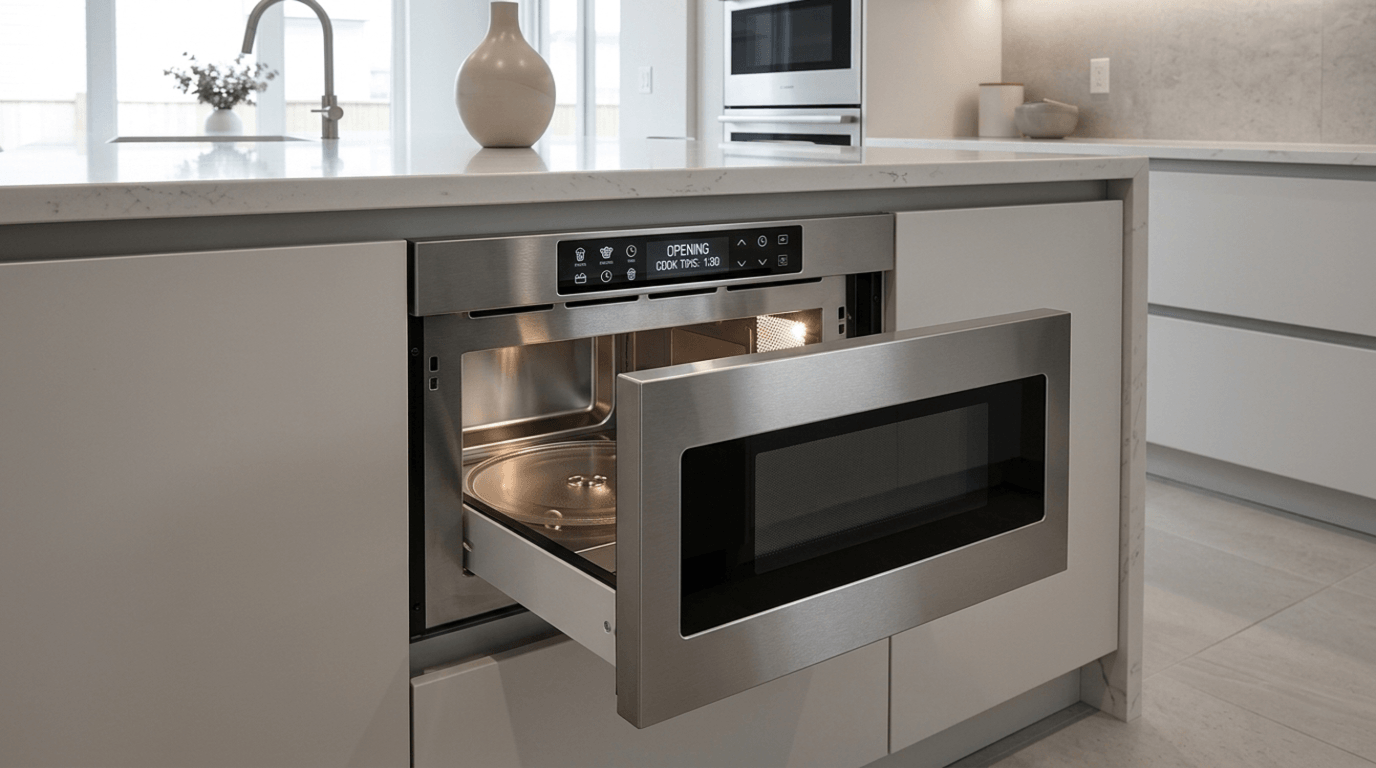
If counter space or budget is a genuine constraint, a combo unit is worth serious consideration. Combo microwaves with built-in air fryer functions are now available from around $100 to $200 and do a competent job of both tasks in a single footprint.
The honest caveat is that combo units are rarely as good as two dedicated appliances. The air fryer function in a combo is typically less powerful than a standalone air fryer, and the microwave capacity is sometimes smaller than a dedicated unit. However, for a small kitchen, a student flat, or anyone who wants simplicity over perfection, a combo unit makes a lot of sense.
💡 Tip: We tested the Ambiano 25L Air Fryer Microwave combo and came away genuinely impressed for the price. Read our full review at lgmicrowaves.com for the complete breakdown including real cooking test results.
Who Should Buy a Microwave?
- You reheat food and drinks daily and speed is your priority
- You regularly defrost frozen food and need it done quickly
- You cook rice, steam vegetables, or make simple hot meals frequently
- You live alone or with family and need a reliable daily-use appliance
- Your budget is tight and you need the most versatile single appliance
Who Should Buy an Air Fryer?
- You cook fresh food regularly and care about texture and taste
- You want to reduce oil usage without sacrificing crispiness
- You already have a microwave and want to expand what you can cook
- You eat a lot of chips, chicken, roasted vegetables, or baked goods
- You want an alternative to turning on a full-size oven for small meals
The Bottom Line
The microwave vs air fryer debate does not have a single right answer — it comes down to how you actually cook. If speed and convenience are your priorities, a microwave is the more practical everyday appliance. If food quality and texture matter more to you, an air fryer will serve you better. Ideally, most kitchens benefit from having both.
If you can only choose one and you are replacing an aging microwave, consider a microwave air fryer combo unit — it is the most practical single appliance for a small kitchen and covers the majority of what both appliances do individually.
For our top picks on both appliances, check out our buying guides at lgmicrowaves.com.
Was this guide helpful?
Browse our full library of microwave reviews, comparisons and buying guides at Legit Gadgets.