 Caroline Blanca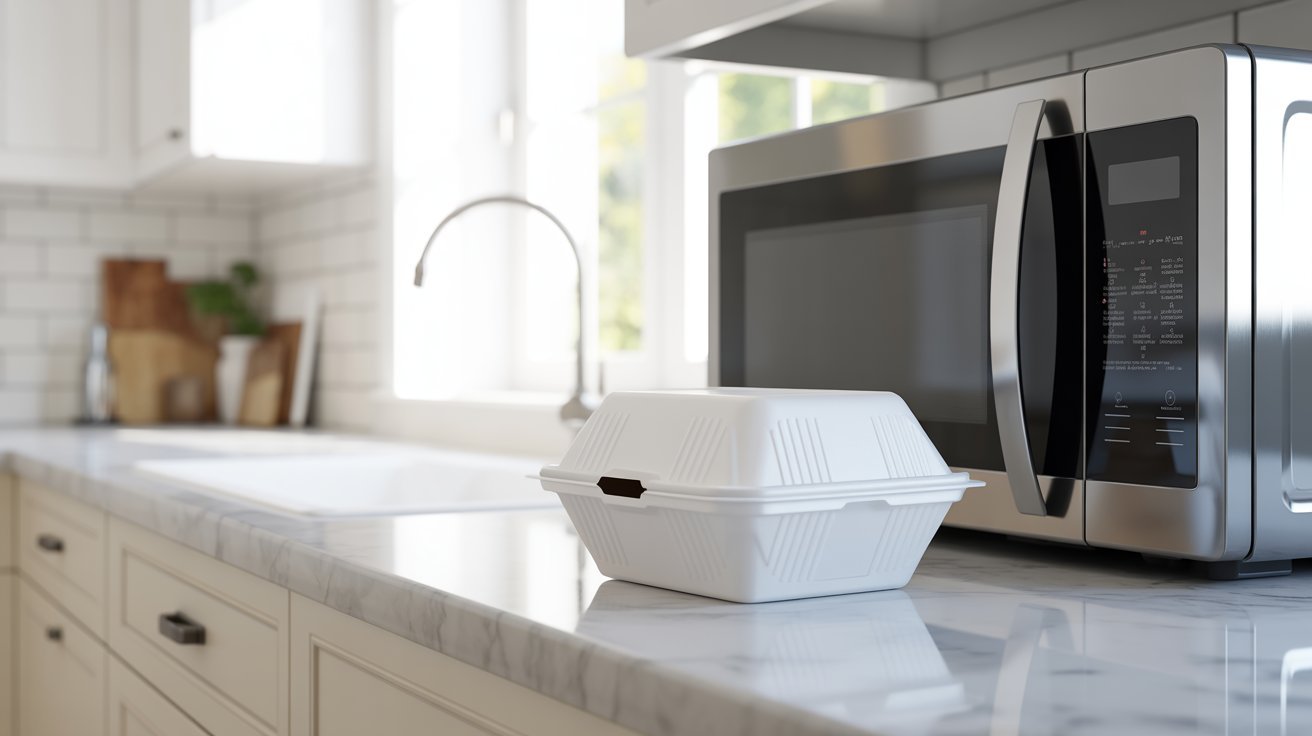
You’ve just reheated leftovers straight in the takeaway container and suddenly you’re wondering — was that safe? Styrofoam in the microwave is one of those questions almost everyone has asked at some point, and the answer is more nuanced than a simple yes or no.
Here’s exactly what you need to know before you press start again.
Quick Answer
Most styrofoam containers are not microwave safe and should never be used to reheat food. However, some styrofoam products are specifically manufactured and labelled as microwave safe. The only way to know for certain is to check the bottom of the container for a microwave safe symbol before putting it in.
What Is Styrofoam and Why Does It Matter?
Styrofoam is a brand name for expanded polystyrene foam — a lightweight plastic material commonly used in takeaway containers, coffee cups, and food packaging. It is made up of about 95% air, which makes it an excellent insulator but also makes it particularly sensitive to heat.
The problem with microwaving styrofoam is straightforward. When exposed to the heat generated inside a microwave, standard polystyrene can begin to warp, melt, and — most importantly — leach chemicals into your food. Furthermore, one of those chemicals is styrene, which has been classified as a possible human carcinogen by several health organisations including the World Health Organisation.
How to Tell If Your Styrofoam Is Microwave Safe
Not all styrofoam is created equal. Some manufacturers produce microwave safe versions of polystyrene containers that are specifically designed to withstand microwave heat without melting or leaching chemicals. As a result, the first thing you should always do is check the container itself.
How to check:
- Flip the container upside down and look at the base
- Look for a microwave safe symbol — usually a microwave icon with wavy lines inside it
- Look for the words “Microwave Safe” printed directly on the container
- Check for a recycling number — styrofoam is usually marked with the number 6 inside a triangle. Number 6 polystyrene is generally not microwave safe unless explicitly labelled otherwise
⚠️ Important: If there is no microwave safe label on the container, assume it is not safe and transfer your food to a glass or ceramic container before microwaving. Never guess with styrofoam.
What Happens When You Microwave Non-Safe Styrofoam?
When standard styrofoam is placed in a microwave, a few things can happen — none of them good. In most cases the container will begin to soften and warp within the first 30 to 60 seconds. In some cases it will melt partially, leaving a sticky residue on the microwave floor that is difficult to clean.
More seriously, however, the heat causes the polystyrene to release chemical compounds into the food sitting inside it. These compounds — particularly styrene — are absorbed directly into your food and consumed. While a single incident is unlikely to cause serious harm, repeated exposure over time is the real concern that health experts flag.
💡 Tip: Fatty and oily foods draw more heat than watery foods in a microwave. As a result, reheating greasy takeaway food in a styrofoam container is significantly more dangerous than reheating something like soup — the fat accelerates the chemical leaching process.
Can You Microwave Styrofoam Cups?
Styrofoam coffee cups follow the same rule as containers — check the label first. That said, most disposable styrofoam cups you get from a coffee shop or fast food restaurant are not microwave safe. They are designed for hot liquids poured directly in, not for repeated microwave heating.
Interestingly, even cups that feel sturdy at room temperature can soften rapidly in the microwave. If you want to reheat a hot drink, transfer it to a ceramic mug instead. It takes ten seconds and completely eliminates the risk.
Safe Alternatives to Styrofoam in the Microwave
The good news is that there are plenty of microwave safe alternatives that are easy to use and widely available. In our experience, switching to glass containers is the single best habit change you can make for safer microwaving.
| Container Type | Microwave Safe? | Notes |
|---|---|---|
| Glass containers | ✅ Yes | Best option — no chemical risk at all |
| Ceramic plates and bowls | ✅ Yes | Check there is no metallic glaze or trim |
| Paper plates and towels | ✅ Yes | Good for short reheating sessions |
| Plastic labelled microwave safe | ⚠️ Caution | Only if explicitly labelled — check the base |
| Styrofoam labelled microwave safe | ⚠️ Caution | Only if clearly labelled — still transfer when possible |
| Standard styrofoam takeaway containers | ❌ No | Will warp and leach chemicals into food |
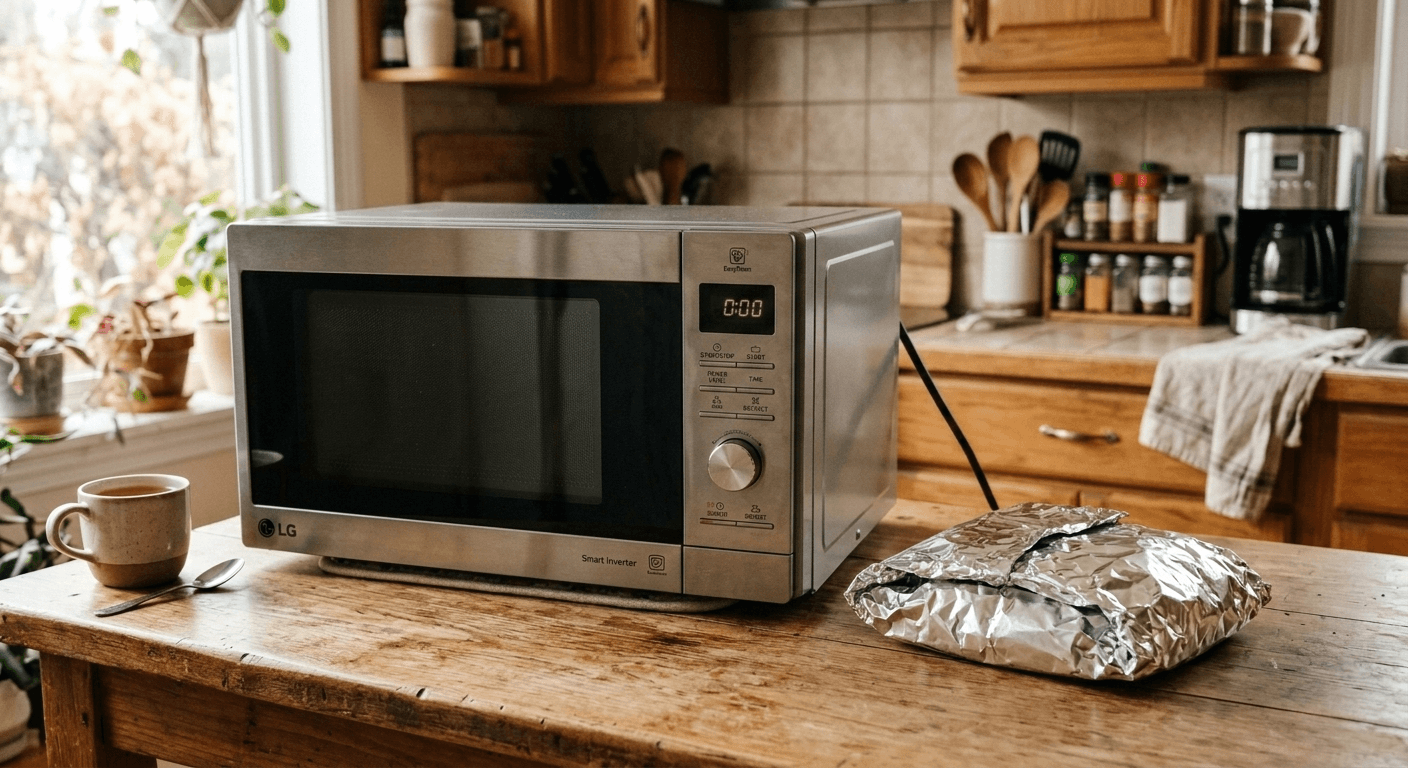
| Metal containers or foil | ❌ Never | Causes sparking and can damage your microwave |
What to Do If You Already Microwaved Styrofoam
If you have already reheated food in a non-safe styrofoam container, try not to panic. A single incident is very unlikely to cause any noticeable harm. However, there are a few things worth doing immediately afterwards.
- If the container visibly warped or melted, discard the food — do not eat it
- If the container held its shape and the food looks and smells normal, the exposure was likely minimal
- Clean the microwave interior thoroughly with a damp cloth to remove any residue
- Going forward, make the switch to glass or ceramic containers permanently
💡 Tip: Keep two or three glass food containers with lids in your kitchen specifically for reheating. They cost very little, last for years, and completely remove the guesswork of whether a container is safe or not.
The Bottom Line
The safest rule with styrofoam in the microwave is simple — if it doesn’t say microwave safe on the label, don’t risk it. Transfer your food to a glass or ceramic container first. It takes less than a minute and eliminates any chance of chemicals ending up in your meal.
On the other hand, if you are ever unsure about any container material, the same rule applies — check the label, and when in doubt, switch to glass. Your microwave will last longer and your food will be safer for it.
For more on what is and isn’t safe to put in your microwave, check out our guide on aluminum foil in the microwave at lgmicrowaves.com.
Was this guide helpful?
Browse our full library of microwave how-to guides and buying advice at Legit Gadgets.